
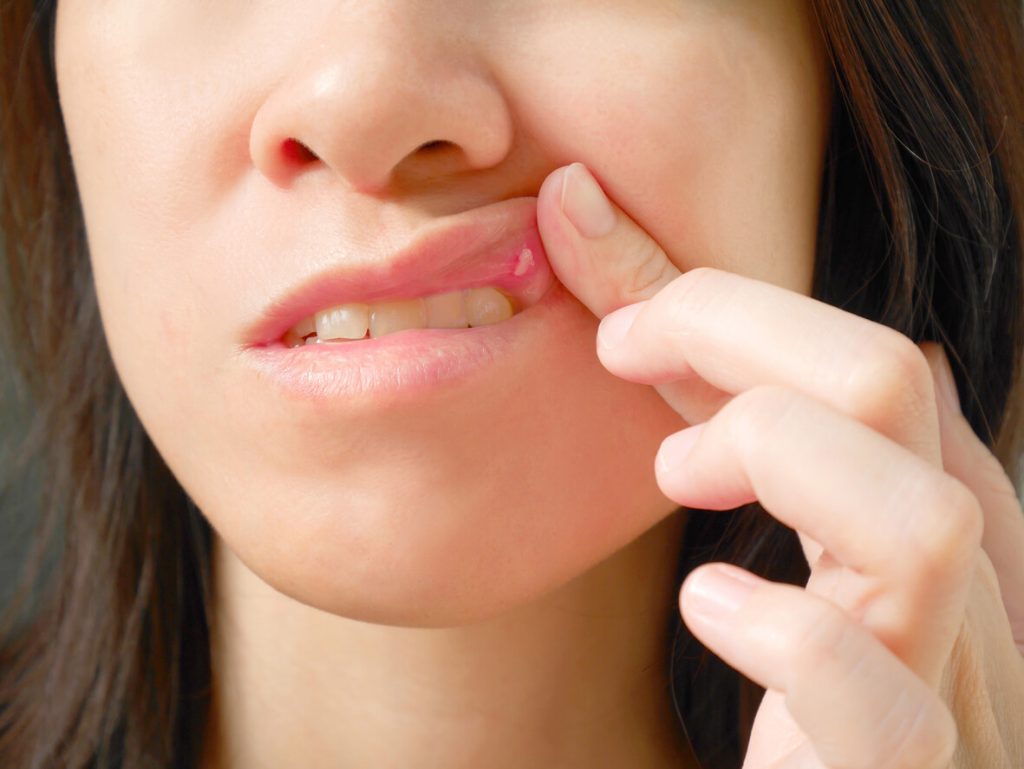
You can find natural alternatives delivering genuine relief without harsh chemicals—though separating evidence-based botanicals from marketing gimmicks requires understanding what actually works beyond label claims.
The difference between effective natural treatments and expensive placebos comes down to choosing ingredients with documented activity rather than trusting products shouting “natural” without therapeutic substance.
Aloe Vera Gel Application
What I’ve learned through oral medicine research is that pure aloe vera contains polysaccharides and glycoproteins—compounds clinically proven accelerating wound healing whilst reducing inflammation naturally.
Extract fresh gel from aloe leaves or use 100% pure commercial aloe gel (avoid products with alcohol, colors, or fragrances irritating sensitive oral tissue).
Apply directly to sore using clean finger or cotton swab, leave on until naturally dissolving or rinsing after 15-20 minutes—aloe’s gentle nature allows frequent application.
Repeat 4-6 times daily—aloe’s safety profile permits generous use without concerns about overtreatment, whilst frequent application maintains anti-inflammatory benefits consistently.
From a practical standpoint, aloe provides immediate soothing—cooling gel effect reduces pain within minutes whilst healing compounds work over days accelerating resolution measurably.
The data tells us that aloe vera demonstrates equivalent efficacy to low-strength corticosteroid gels for oral ulcers—legitimate therapeutic option validated through controlled clinical trials.
I once consulted for a pediatric dental practice treating children unable tolerating medicated gels—pure aloe provided relief when everything else triggered gagging or burning reactions.
Licorice Root DGL
Look, the bottom line is that deglycyrrhizinated licorice (DGL) promotes mucus production protecting ulcers whilst containing anti-inflammatory compounds—traditional remedy validated through modern research.
Chew 1-2 DGL tablets (380-400mg each) coating sore with licorice paste, allow dissolving slowly rather than swallowing immediately for maximum topical contact.
Alternatively mix DGL powder with minimal water creating paste for direct application—coating adheres longer providing extended protection and treatment.
Take 3-4 times daily between meals—empty stomach application allows undiluted contact with sores maximizing protective coating whilst anti-inflammatory compounds absorb into tissue.
What surprises people most is discovering DGL works differently than whole licorice—glycyrrhizin removal prevents blood pressure effects whilst maintaining therapeutic components for oral healing.
From experience, DGL works particularly well for recurrent canker sore sufferers—regular use between outbreaks may reduce frequency through protective mucus layer strengthening oral tissue.
The reality is that DGL tablets taste pleasantly sweet making compliance easy—important consideration for treatments requiring multiple daily doses over several days.
Sage Tea Rinse
Here’s what works in practice: sage contains rosmarinic acid and other compounds delivering antimicrobial and anti-inflammatory effects—culinary herb doubling as legitimate oral medicine.
Steep 1-2 teaspoons dried sage in cup of hot water for 10 minutes creating strong infusion, cool to comfortable temperature before using as mouth rinse.
Swish 30-60 seconds ensuring solution contacts sore thoroughly, then either spit or swallow—sage tea is safe for ingestion unlike some commercial mouthwashes.
Use 4-6 times daily after meals and before bed—regular rinsing maintains antimicrobial environment whilst removing food particles irritating healing ulcers.
From a practical standpoint, sage tea doubles as soothing beverage—drinking leftover infusion provides systemic anti-inflammatory benefits complementing topical oral treatment.
The sweet spot involves sage rinses for cleansing combined with protective applications like aloe or honey—layered approach addresses multiple healing aspects comprehensively.
What I’ve learned through herbal medicine consulting is that sage demonstrates genuine antimicrobial activity—not folklore but documented effects against oral bacteria contributing to infection.
Myrrh Tincture Application
What data reveals is that myrrh resin contains terpenoids delivering potent antimicrobial and astringent effects—ancient medicine validated through contemporary research confirming therapeutic properties.
Dilute myrrh tincture in water (5-10 drops per ounce) creating rinse solution, or apply undiluted drops directly to sore using cotton swab for concentrated treatment.
Swish diluted solution 30 seconds then spit, or apply concentrated drops leaving on minimum 10 minutes before rinsing—both methods deliver benefits through different concentrations.
Use 3-4 times daily—myrrh’s strong taste limits compliance for some people, but efficacy justifies tolerating distinctive flavor for those managing severe painful sores.
From experience, myrrh works exceptionally well for large or multiple sores—antimicrobial potency prevents secondary infection whilst astringent properties reduce inflammation and pain.
The reality is that myrrh isn’t widely known for oral use despite traditional history—those discovering it often become devoted users based on rapid results delivered.
Back in 2017, myrrh remained obscure outside natural medicine circles. Growing awareness of its oral health benefits has expanded availability in mainstream health stores currently.
Vitamin E Oil Application
The data tells us that vitamin E accelerates epithelial healing whilst providing antioxidant protection—topical application delivers concentrated nutrients directly to damaged tissue.
Pierce vitamin E capsule extracting oil, apply directly to sore using cotton swab or clean finger, leave on without rinsing allowing absorption overnight.
Alternatively mix vitamin E with coconut oil creating protective coating with enhanced healing—combination delivers complementary benefits through different mechanisms.
Apply 2-3 times daily with one application always before bed—overnight treatment provides uninterrupted contact maximizing absorption whilst you sleep without eating or drinking interference.
From a practical standpoint, vitamin E oil feels soothing immediately—coating effect reduces pain whilst healing compounds work over days promoting faster epithelial regeneration.
What actually separates effective natural treatments from ineffective ones isn’t ingredient selection alone but quality—pharmaceutical-grade supplements deliver better results than cheap alternatives.
The sweet spot involves vitamin E for overnight healing combined with antimicrobial rinses during day—comprehensive protocol addressing infection, inflammation, and healing simultaneously.
Conclusion
Natural non-toxic canker sore treatments include aloe vera, DGL licorice, sage rinses, myrrh tincture, and vitamin E oil delivering genuine relief without synthetic chemicals.
These evidence-supported natural options work through documented mechanisms—wound healing, antimicrobial action, anti-inflammatory effects—providing legitimate alternatives to pharmaceutical treatments.
What I’ve learned is that natural doesn’t mean inferior—properly selected botanicals and nutrients match pharmaceutical efficacy for many people whilst avoiding chemical sensitivities or preferences.
FAQs
Are natural remedies as fast as medicated treatments?
For mild-moderate sores, comparable speed. Severe ulcers may benefit from prescription treatments initially, transitioning to natural maintenance. Natural options excel for prevention and early intervention.
How long do natural treatments take showing results?
Immediate soothing from aloe or vitamin E within minutes. Anti-inflammatory effects show within 24-48 hours. Complete healing requires 3-5 days with consistent treatment application.
Can I use natural remedies with prescription treatments?
Generally yes, though consult healthcare providers ensuring compatibility. Natural options often complement prescriptions—enhanced results without interference when properly timed throughout day.
Are these remedies safe during pregnancy?
Most yes—aloe, honey, chamomile are safe. DGL and myrrh require medical consultation during pregnancy. Always verify botanical safety with healthcare providers when pregnant or nursing.
Where do I buy quality natural ingredients?
Health food stores, reputable online retailers, some pharmacies carry therapeutic-grade products. Research brands ensuring quality control—organic certification typically indicates higher manufacturing standards.
Do natural remedies work for all types of canker sores?
They excel for common aphthous ulcers. Complex or recurring sores from autoimmune conditions may require medical intervention. Natural options work excellently for prevention and mild-moderate cases.
How do I know if I’m allergic to natural ingredients?
Test on small oral tissue area (inner cheek) before applying to active sore. Natural doesn’t guarantee non-allergenic—some people react to botanicals. Discontinue if increased irritation develops.
Can I mix different natural treatments together?
Some combinations work well—vitamin E with coconut oil, aloe with honey. However, avoid over-complicating. Three complementary treatments maximum prevents overwhelming tissue with excessive applications.
How should I store natural remedies?
Tinctures and oils in cool dark places lasting months. Fresh aloe gel refrigerated using within week. Dried herbs in airtight containers away from light, heat, and moisture maintaining potency.
Are expensive natural products worth premium pricing?
Sometimes. Quality matters for efficacy—therapeutic-grade ingredients justify costs. However, many effective treatments use simple ingredients—honey, coconut oil, aloe. Basics often suffice for most people.