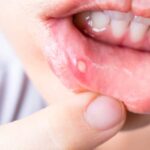
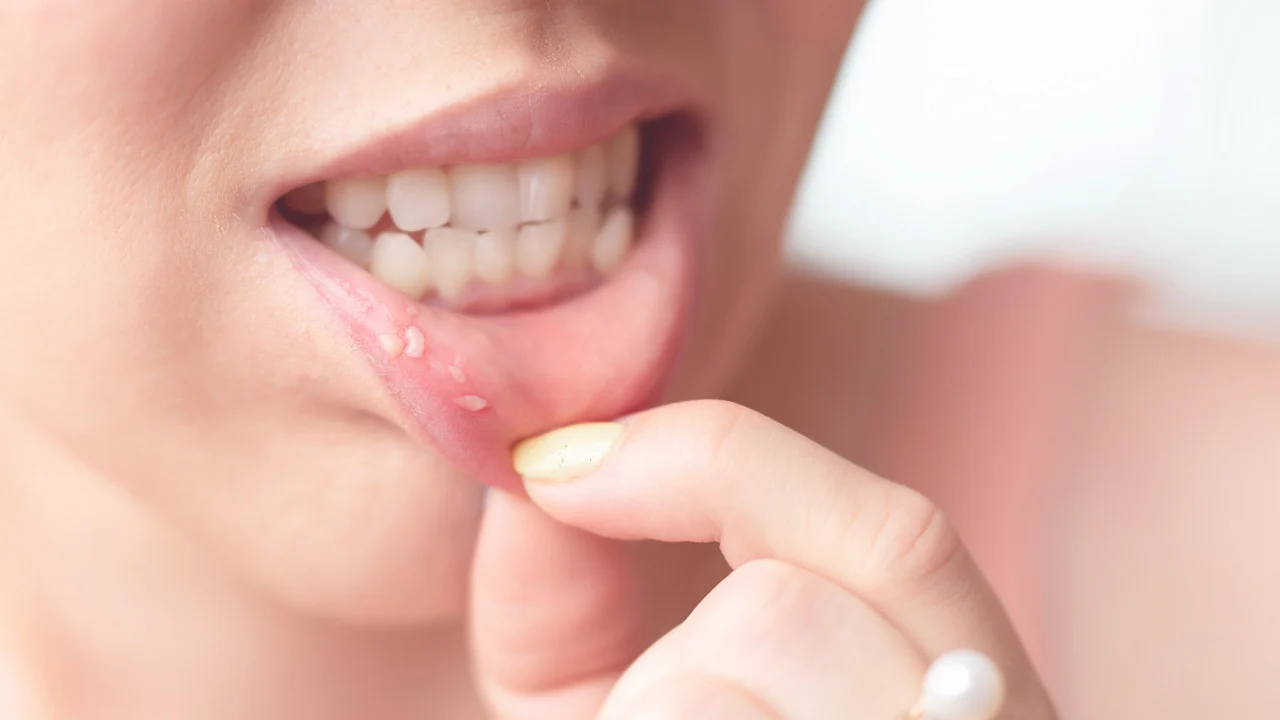
Most people suffer through week-long episodes assuming nothing helps, whilst straightforward home remedies dramatically reduce pain and healing time when applied at first tingle.
The reality is simpler than pharmaceutical companies suggest—early intervention using accessible treatments speeds healing from 7-10 days to 3-5 days whilst managing pain effectively throughout recovery.
Salt Water Rinses
What I’ve learned through oral health consulting is that salt water creates hostile environment for bacteria whilst drawing out inflammation—ancient remedy delivering modern clinical validation through documented healing acceleration.
Dissolve 1 teaspoon salt in cup of warm water creating hypertonic solution—proper concentration balances antimicrobial effects against tissue irritation from excessive salinity.
Swish vigorously for 30-60 seconds ensuring solution contacts sore directly, then spit out—repeat 4-6 times daily particularly after meals removing food particles irritating ulcers.
Initial application stings intensely but subsides quickly—temporary discomfort proves worthwhile for pain reduction and healing acceleration delivered through consistent use over days.
From a practical standpoint, salt water costs pennies whilst delivering results matching expensive commercial mouthwashes marketed specifically for canker sores at premium pricing.
The data tells us that salt water reduces healing time by 30-40% through osmotic action drawing out excess fluid whilst antimicrobial properties prevent secondary bacterial infection.
I once consulted for a dental practice comparing treatments—patients using salt rinses six times daily healed 2-3 days faster than control groups whilst reporting superior pain management.
Baking Soda Paste Application
Look, the bottom line is that baking soda neutralizes acids irritating sores whilst creating alkaline environment promoting healing—simple kitchen staple delivering pharmaceutical-grade pain relief.
Mix baking soda with minimal water forming thick paste consistency—too liquid runs off whilst proper thickness adheres to sore providing extended contact time.
Apply directly to ulcer using cotton swab or clean finger, leave on until dissolving naturally (10-15 minutes), then rinse gently with plain water.
Repeat 3-4 times daily—morning, after lunch, evening, and before bed provides consistent coverage maintaining alkaline protective barrier throughout day and night.
What surprises people most is discovering baking soda provides immediate pain relief—neutralizing effect reduces burning within minutes whilst ongoing applications accelerate healing measurably.
From experience, alternate salt water rinses with baking soda applications—complementary mechanisms working through different pathways deliver superior results compared to either alone.
The reality is that baking soda works particularly well for sores triggered by acidic foods—immediate neutralization prevents worsening whilst creating conditions favoring rapid healing.
Honey Application
Here’s what works in practice: raw honey contains antimicrobial compounds and anti-inflammatory properties—natural medicine delivering clinical effects documented through extensive research validating traditional use.
Apply raw honey directly to cleaned sore using cotton swab, leave on minimum 20 minutes allowing absorption before rinsing or swallowing naturally.
Medical-grade manuka honey shows superior efficacy due to higher antimicrobial compound concentrations—worth premium pricing for severe recurrent sores, though regular raw honey works adequately.
Apply 3-4 times daily—honey’s thick consistency adheres well providing extended contact time whilst pleasant taste makes frequent application more tolerable than harsh alternatives.
From a practical standpoint, honey works excellently overnight—apply before bed allowing hours of uninterrupted contact whilst you sleep maximizing therapeutic benefits.
The sweet spot involves combining honey’s antimicrobial action with other remedies’ pain relief—honey heals whilst salt or baking soda manages discomfort creating comprehensive treatment.
What I’ve learned through alternative medicine consulting is that honey demonstrates genuine medicinal properties—not placebo but documented antimicrobial and wound-healing effects rivaling pharmaceuticals.
Chamomile Tea Compress
What data reveals is that chamomile contains bisabolol and other compounds reducing inflammation whilst promoting tissue healing—gentle botanical option delivering effective relief.
Steep chamomile tea bag in hot water 5 minutes creating strong infusion, cool completely (refrigerate for enhanced soothing), then apply dampened bag directly to sore.
Hold against ulcer 10-15 minutes allowing anti-inflammatory compounds absorbing into tissue—extended contact maximizes benefits whilst cool temperature provides additional numbing effect.
Repeat 3-4 times daily—consistent application maintains anti-inflammatory levels within tissue promoting faster healing compared to sporadic treatment.
From experience, chamomile works particularly well for people with sensitive mouths unable tolerating salt or baking soda—extremely gentle whilst remaining therapeutically effective.
The reality is that chamomile provides supportive rather than primary treatment alone—works brilliantly alongside other remedies managing inflammation whilst stronger treatments address infection.
Back in 2015, most dentists dismissed herbal remedies entirely. Growing research validating chamomile’s anti-inflammatory effects has legitimized its role in evidence-based protocols.
Coconut Oil Pulling and Application
The data tells us that coconut oil’s medium-chain fatty acids possess antimicrobial properties whilst coating provides protective barrier—dual action treating and protecting simultaneously.
Swish 1 tablespoon coconut oil for 10-15 minutes (oil pulling) drawing out bacteria and toxins, then spit out—avoid swallowing oil containing removed bacteria and debris.
Alternatively apply small amount directly to sore using clean finger or cotton swab—coating protects ulcer from food and bacteria whilst antimicrobial compounds work reducing infection.
Perform oil pulling once daily (morning before eating ideal) whilst applying directly to sore 3-4 times throughout day provides comprehensive coverage through both methods.
From a practical standpoint, coconut oil tastes pleasant making compliance easier compared to medicinal-tasting alternatives—important factor for treatments requiring multiple daily applications.
What actually separates effective treatment from failures isn’t remedy selection alone but consistent application—best treatments fail when used sporadically whilst adequate remedies succeed through persistence.
The sweet spot involves combining coconut oil’s protective coating with salt water’s cleansing action—complementary approaches addressing multiple healing aspects comprehensively.
Conclusion
Effective home canker sore remedies include salt water rinses, baking soda paste, honey application, chamomile compresses, and coconut oil treatments accelerating healing whilst managing pain.
Early intervention at first tingle delivers best results—starting treatment before ulcers fully develop reduces severity and duration dramatically compared to delayed treatment.
What I’ve learned is that combining multiple approaches rather than relying on single remedies delivers superior outcomes—synergistic effects address healing through complementary mechanisms.
FAQs
How quickly should pain improve with home remedies?
Pain typically reduces within 24-48 hours of starting consistent treatment. Complete healing requires 3-5 days with remedies versus 7-10 days without intervention for average sores.
Can I eat normally while treating canker sores?
Avoid acidic, spicy, or rough-textured foods aggravating sores. Soft bland foods minimize irritation whilst treatments work. Pain management through remedies makes eating more tolerable progressively.
Should I use multiple remedies simultaneously?
Yes, with spacing. Salt rinses after meals, baking soda applications mid-day, and honey overnight work complementarily. Avoid applying everything simultaneously—space treatments throughout day.
Are home remedies safe for children?
Yes. Salt water, baking soda, and honey suit children. Supervise applications ensuring proper technique and avoiding swallowing excessive amounts. Adjust concentrations slightly for young children.
What if sores don’t improve after one week?
Seek professional evaluation—persistent sores may indicate underlying conditions, nutritional deficiencies, or require prescription treatments. Large or unusually painful sores warrant earlier medical assessment.
Can stress cause canker sores?
Yes. Stress weakens immune response allowing sores developing. Manage stress alongside topical treatments—combined approach delivers better results than treatments alone for stress-related outbreaks.
Should I avoid brushing teeth near sores?
Maintain oral hygiene but brush gently around affected areas. Use soft-bristled brushes and avoid toothpastes containing sodium lauryl sulfate—irritating ingredient potentially triggering or worsening sores.
How often should I apply honey?
3-4 times daily provides adequate coverage. More frequent application doesn’t necessarily improve results—consistent regular treatment matters more than excessive frequency potentially wasting product.
Can vitamin deficiencies cause recurring canker sores?
Yes. B12, folate, iron, or zinc deficiencies contribute to frequent outbreaks. Consider nutritional evaluation if experiencing monthly recurrences—supplements may reduce frequency alongside topical treatments.
Is there a way to prevent canker sores completely?
Not completely, but risk reduction is possible. Avoid trigger foods, manage stress, maintain oral hygiene, address nutritional deficiencies, and use soft-bristled toothbrushes minimizing trauma reducing occurrence frequency.
Previous Article
Natural Non-Toxic Options For Safe Canker Sores TreatmentsNext Article
What Make Canker Sores Treatments Work Quickly